In this guide
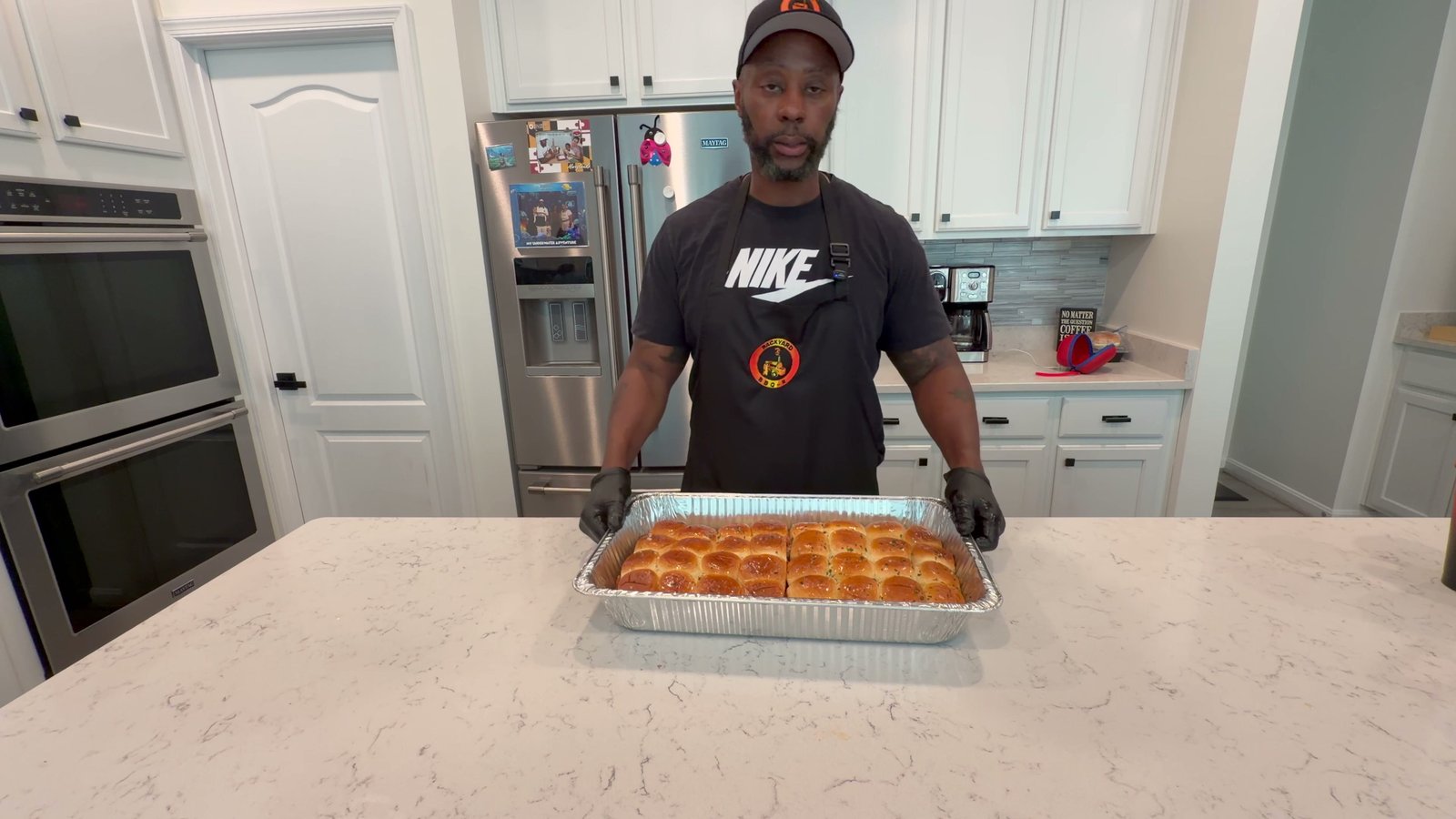
A tray of sliders can feed a backyard full of people, but the bread and pork need different clocks. The pork takes the long cook. The rolls need a short finish near serving. In this week’s cook, I smoked a pork butt, shredded it, filled two 16-roll packs, and toasted the tray. Here’s the decision order to take to your own pit.
Know What Each Number Means
Use the thermometer and the feel of the pork before thinking about the bread. These five checkpoints keep the cook and the tray from blurring together.
| Checkpoint | What to do | Why it matters |
|---|---|---|
| Raw pork | Pat dry, season, and keep cold until smoking | Clean handling starts before the fire |
| During the smoke | Check the pork at the pit; wrap when your cook calls for it | Two- and four-hour checks are not universal timing |
| Tenderness target | Use 203°F as this cook’s target and check tenderness | A texture target is not a proven final reading |
| Rest or hold | Monitor the pork if holding it hot | A long rest needs temperature control |
| Tray finish | Fill, brush, then toast near serving | The bread has a shorter clock than the meat |
The pork is ready for the tray when the cook has been checked, not when a stopwatch says so.
Make it good and meaty.Mr. B, from the episode
What They Don’t Tell You
The filmed batch has a few limits worth saying out loud.
- The recipe is not measured. Injection, rub, sauce, garlic, and parsley amounts aren’t given. Don’t turn a visual pour into a tablespoon claim.
- A set point is not a result. The video names 203°F as a target but does not show a verified final reading.
- The tray is a serving plan. Mr. B fills two 16-roll packs and adds coleslaw to only part of the batch. Give guests that choice.
I like a full tray, but I spread the pork first so the last roll gets a fair share. The sauce belongs with the pork. The oven is for the bread finish.
Do not rinse raw pork. Pat it dry with paper towels; wash hands, tools, and contact surfaces after raw-meat handling.
203°F is Mr. B’s tenderness target for this pork shoulder. Check the thickest part with a food thermometer and assess tenderness; the USDA safe minimum for a whole pork roast is 145°F plus a 3-minute rest. A 203°F target exceeds that minimum. Do not claim the filmed pork reached 203°F without a final reading.
If holding the cooked pork hot during a long rest, verify it stays at or above 140°F. Otherwise cool and refrigerate promptly; do not leave perishable pork out beyond 2 hours, or 1 hour above 90°F.
Those rules keep the quick tray finish from hiding the real cook decisions.
Three Misses to Avoid
These shortcuts turn a good pork cook into a weak plate.
- Treating 203°F as proof from the video: Check your own pork with a thermometer and for tenderness.
- Letting the rest drift: Monitor a hot hold at or above 140°F, or chill promptly.
- Building too early: Fill and toast the rolls close to serving so the bottoms spend less time under sauce.
A few minutes of order at the end matter more than another hour of guessing at the pit.
The Tray Checklist
Keep this sequence where you can see it while the pork comes off the smoker.
Set the tray on the table while the bread is still worth biting into.
More From the Pit
The free guide library has more pork prep and crowd-cook tools you can use tonight.
Explore the Free Guides
Mr. B
Certified Pitmaster since 1996. Real backyard cooks, written down with the numbers that matter.
— Mr. B, Backyard BBQ-R