In this guide
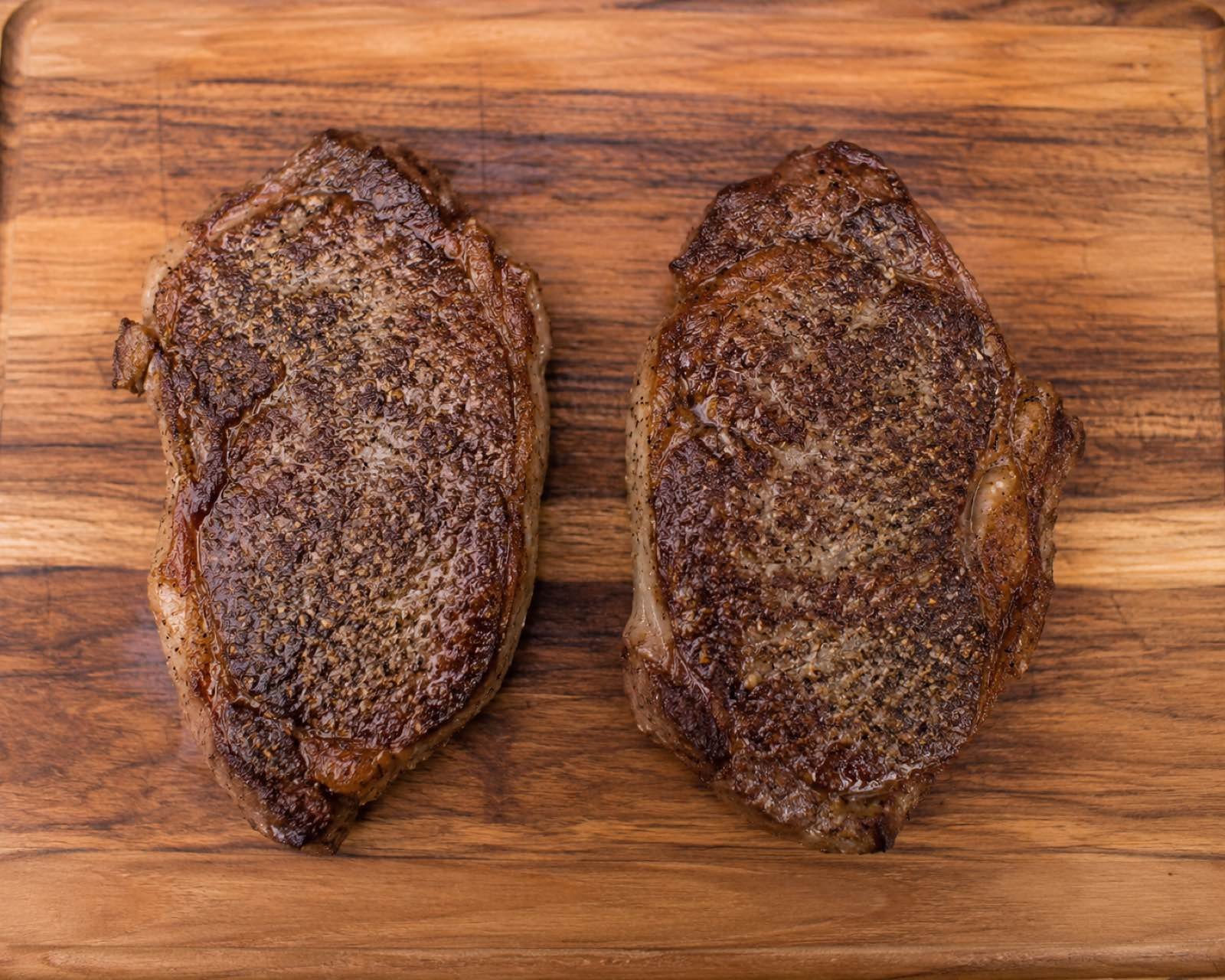
Start with one rule: a good steak does not need truffle to be good. This isn’t about crowning one universal winner. It’s about running a fair comparison and choosing the finish worth eating again. Both steaks get seasoned with SPG – salt, pepper, and garlic – as a clean baseline, so the beef and the cook get judged before the finishing flavor does. Truffle is a choice made only after the beef is right.
Keep the Comparison Fair
The comparison stays fair by using similar steaks, the same grill, the same heat zones, and the same doneness target. The finishing flavor is the only variable that changes. Here’s what stays the same on both sides and where the two split.
| Step | Classic SPG steak | Truffle steak |
|---|---|---|
| Seasoning | SPG: salt, pepper, garlic | SPG: salt, pepper, garlic – same base |
| Steak and grill | Similar cut, same grill, same heat zones | Same |
| Doneness | Checked by temperature, one shared target | Same target, same check |
| Rest | Rested the same way | Rested the same way |
| Finish | None. The beef stands on its own | A light truffle finish, added away from direct heat after the rest |
If anything other than the finish changes between the two, you’re not comparing truffle to SPG any more. You’re comparing two different cooks.
a good steak does not need truffle to be good.From this guide
What They Don’t Tell You About Truffle
- Truffle is a finishing layer, not a fix. It is not a replacement for good beef, a browned crust, or controlled doneness. If the beef isn’t leading any more, the truffle is hiding the cook, and that tells you more about the cook than the truffle.
- It goes on after the heat, not during. Both steaks cook to the same target and rest the same way, and only then does one get a light truffle finish, added away from direct heat.
- There is no universal winner. The point of the side-by-side is to pick the finish worth eating again. That’s a call you make at your own table, not one I make for you.
“Everything over here is salt, pepper and garlic. This is truffle.” That’s the whole experiment in one sentence: one side is the baseline, the other side is the question.
USDA guidance for whole cuts of beef: 145°F minimum internal temperature followed by a three-minute rest. Place the thermometer in the thickest center and never use color alone to judge doneness.
Where Steak Night Goes Wrong
- Judging doneness by the clock, the color, or your thumb. Steak moves fast, so doneness gets checked by temperature – not time, color, or finger pressure – and both steaks go to the same target.
- Putting the truffle on over the fire. Cook, check, rest, then finish. The truffle goes on away from direct heat, after the rest, not while the steak is still on the grate.
- Coating the whole steak on your first try. Start with a light amount on one small section instead. More can be added at the table, but it can’t be removed once the flavor takes over.
The Steak Night Checklist

Build a Steak Night You Can Repeat
Steak Night: Classic and Truffle adds a twelve-decision steak method, a controlled comparison, an off-heat truffle finish, troubleshooting, and three printable tools. Watch the source episode.
View Premium Guides →
Mr. B
Cooking backyard BBQ since 1996. These guides turn real cooks into practical steps you can use.
– Mr. B, Backyard BBQ-R